The EITA Portal and Training Site will be down for maintenance from July 1-July 6th During this time, the EITA Portal website and all courses/job aids will not be available. Please plan accordingly.
Behavior Bits are a collection of short, focused learning interactions designed to introduce early childhood and intervention professionals to the foundational principles of behavior. Each bit presents a key concept in a simple, practical way, with real-world examples relevant to early intervention settings. Whether you’re new to behavior concepts or looking for a quick refresher, this course will help you build confidence in understanding why behaviors happen and how to support positive behavior change.
Learn how to use positive attention and establish predictable schedules and routines within routines as preventative classroom-wide practices that are research-based and promoted by the National Center for Pyramid Model Innovations. Self-assess your current use of these practices and further learn how using positive attention, predictable schedules, and routines can decrease challenging behaviors and promote desirable behaviors. Build upon what you are already doing to be more intentional and systematic with implementation. Leave with action steps that can be implemented immediately in early childhood and intervention settings.
Learn how to directly teach behavior expectations and peer related social skills as preventative classroom-wide practices that are research-based and promoted by the National Center for Pyramid Model Innovations. Self-assess how you currently teach behavior expectations and peer-related social skills and further learn how direct teaching can decrease challenging behaviors and promote desirable behaviors. Build upon what you are already doing to be more intentional and systematic with implementation. Leave with action steps that can be implemented immediately in early childhood and intervention settings.
Equity in early intervention starts with relationships that are culturally responsive and respectful. Build awareness, knowledge, and skills to advance equity through culturally competent practices. Explore concepts of diversity, equity, and cultural competence while reflecting on personal biases and values. Consider how cultural beliefs influence family expectations and experiences. Engage with real-world scenarios, hear family perspectives, and review current data on equity challenges in early intervention. End with practical strategies that make equity and inclusion part of everyday professional practice.
Equity in early intervention starts with relationships that are culturally responsive and respectful. Build awareness, knowledge, and skills to advance equity through culturally competent practices. Explore concepts of diversity, equity, and cultural competence while reflecting on personal biases and values. Consider how cultural beliefs influence family expectations and experiences. Engage with real-world scenarios, hear family perspectives, and review current data on equity challenges in early intervention. End with practical strategies that make equity and inclusion part of everyday professional practice.
This job aid is designed to provide basic information about the Infants, Toddlers and Families (ITF) Waiver, including what families need to know. Discover the fundamentals of the ITF Waiver while being provided with support for discussions about the ITF Waiver with families.
Behavior Bits are a collection of short, focused learning interactions designed to introduce early childhood and intervention professionals to the foundational principles of behavior. Each bit presents a key concept in a simple, practical way, with real-world examples relevant to early intervention settings. Whether you’re new to behavior concepts or looking for a quick refresher, this course will help you build confidence in understanding why behaviors happen and how to support positive behavior change.
Learn how to directly teach behavior expectations and peer related social skills as preventative classroom-wide practices that are research-based and promoted by the National Center for Pyramid Model Innovations. Self-assess how you currently teach behavior expectations and peer-related social skills and further learn how direct teaching can decrease challenging behaviors and promote desirable behaviors. Build upon what you are already doing to be more intentional and systematic with implementation. Leave with action steps that can be implemented immediately in early childhood and intervention settings.
Learn how to use positive attention and establish predictable schedules and routines within routines as preventative classroom-wide practices that are research-based and promoted by the National Center for Pyramid Model Innovations. Self-assess your current use of these practices and further learn how using positive attention, predictable schedules, and routines can decrease challenging behaviors and promote desirable behaviors. Build upon what you are already doing to be more intentional and systematic with implementation. Leave with action steps that can be implemented immediately in early childhood and intervention settings.
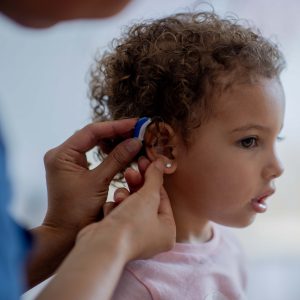
Understand deafness and hearing loss in children under the age of five and how early detection can benefit a child’s development over a lifetime. Discover the first steps to identifying concerns and then connecting families to services and resources. Focus on understanding, screening, testing, service provider roles, and empowering families to support their child with hearing loss or deafness.